Recurring Mold: Why It Keeps Coming Back
Why Mold Keeps Coming Back After Cleanup
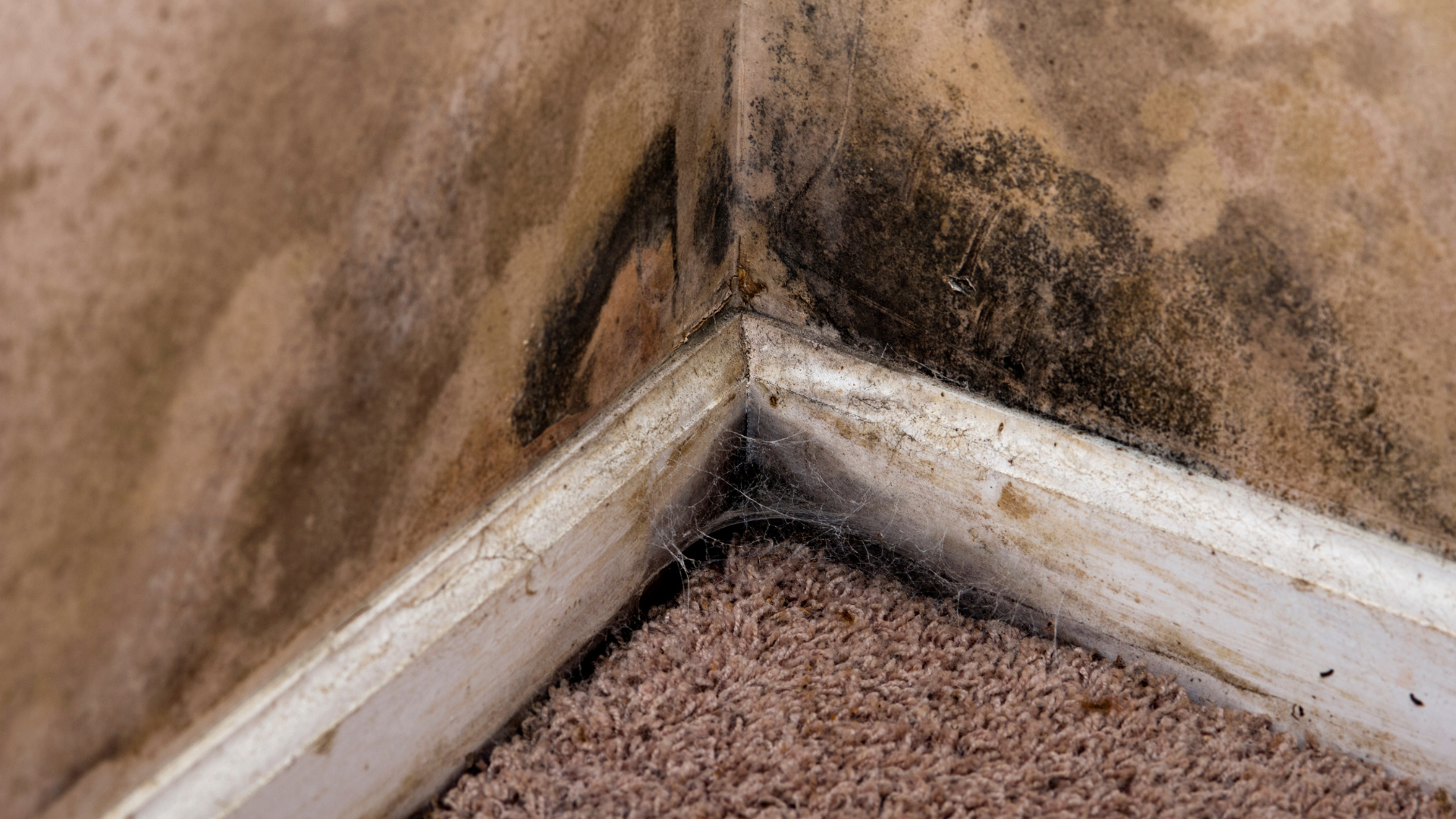
Mold that returns after cleanup is not just frustrating. It is a warning sign that something was missed.
Many Houston homeowners wipe mold away, repaint the wall, spray the area, or run a fan for a few days. Then, a few weeks later, the same dark spots show up again. Sometimes the odor comes back first. Other times, the staining returns in the exact same place.
Recurring mold usually means the cleanup handled the visible growth but not the source. Mold needs moisture to keep growing, so the real fix starts with finding and correcting the moisture issues behind the problem.
What Does Recurring Mold Usually Mean?
Recurring mold is rarely random. If mold keeps returning in the same room, on the same wall, or around the same window, there is likely a damp condition that has not been fixed.
The surface was cleaned, but the source stayed active
Visible mold is often only the part you can see. Growth may also be behind drywall, under flooring, inside cabinets, or around insulation.
A common mold remediation failure happens when cleanup focuses only on wiping or spraying the surface. That may improve the appearance for a short time, but mold can return if the affected material is still damp or contaminated below the surface.
If the mold is tied to a larger affected area, homeowners may need professional mold removal and remediation in Houston instead of repeated surface cleaning.
Humidity is keeping the area damp
Mold does not always need a major leak. High indoor humidity can be enough, especially in bathrooms, laundry rooms, closets, attics, and poorly ventilated spaces.
Houston’s humid climate can make this worse. If air is not moving well or humidity stays high indoors, mold can keep finding the moisture it needs.
Why DIY Mold Cleanup Often Fails
DIY cleanup may work for very small, isolated surface spots. But when mold keeps coming back, the issue has usually moved beyond basic cleaning.
Bleach does not solve moisture problems
Bleach is often used on mold, but it does not fix the reason mold grew in the first place. It may lighten stains on some hard surfaces, but it does not remove moisture from building materials.
On porous materials like drywall, wood, or insulation, mold can grow deeper than the surface. Spraying the outside may not reach the contamination inside the material.
Porous materials may stay contaminated
Drywall, carpet padding, ceiling tiles, and insulation can hold moisture. Once mold growth gets into these materials, cleaning the surface may not be enough.
This is where mold remediation failure often starts. The visible mold gets cleaned, but the affected porous material remains in place and continues to support growth.
If contaminated materials need to be removed safely, related demolition services in Houston may be part of the larger remediation plan.
The affected area was not contained
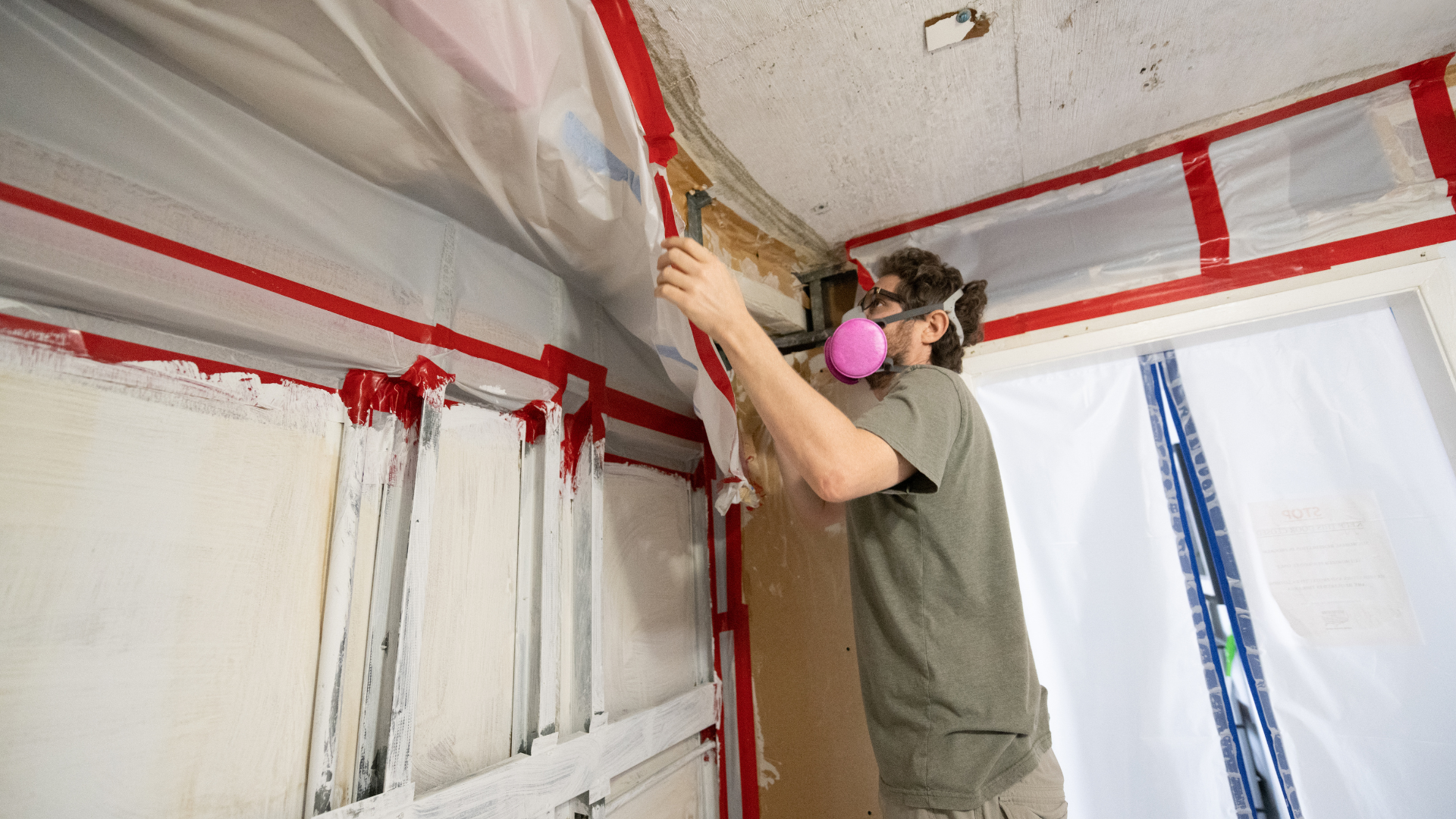
Mold cleanup can spread spores if the area is disturbed without proper controls. Scrubbing, sanding, tearing out drywall, or using high-powered fans can push particles into other rooms.
Containment helps reduce that risk. Without it, a small mold problem can become a wider indoor air concern.
How Moisture Issues Keep Feeding Mold
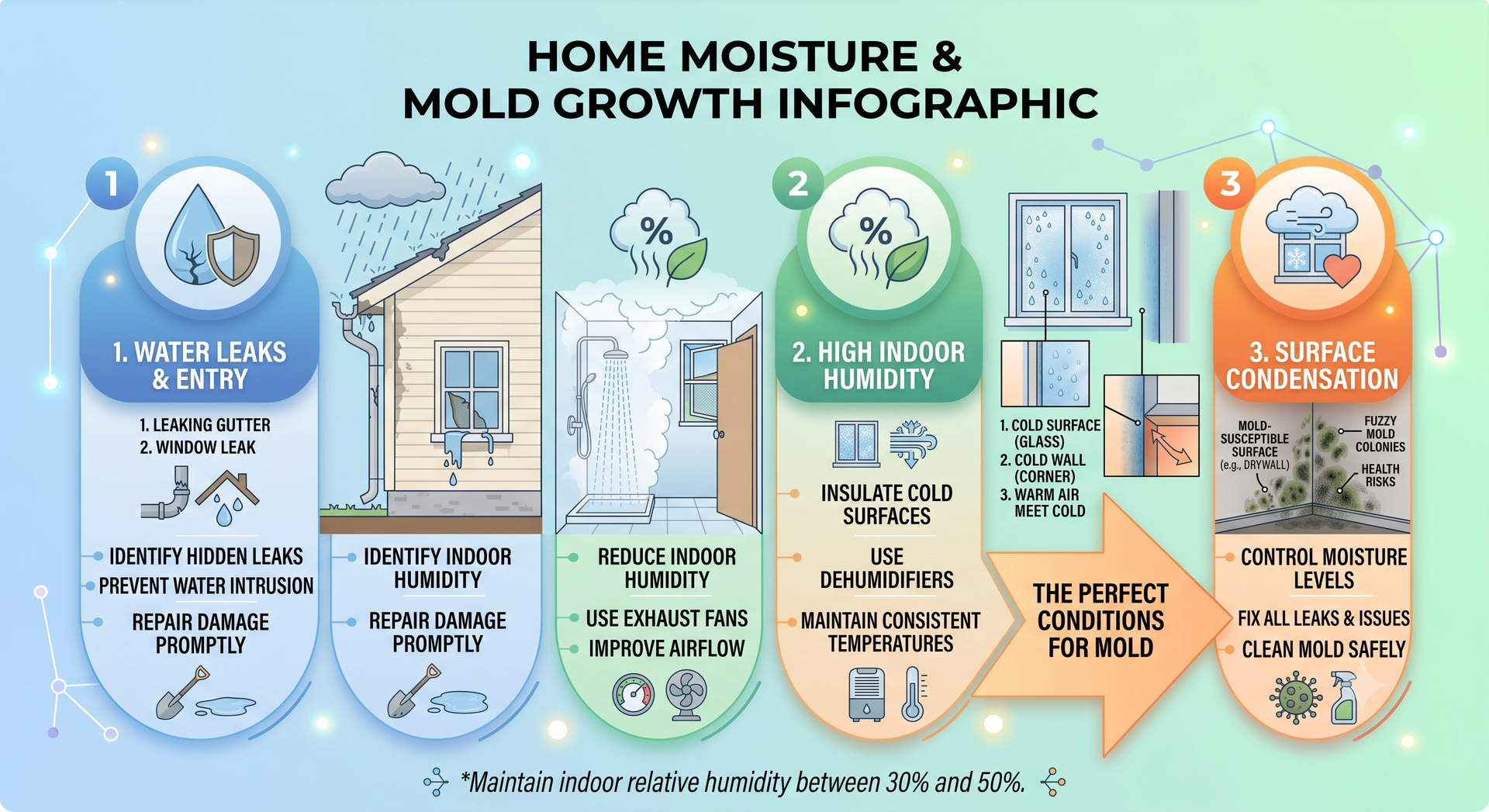
Moisture issues are the main reason mold returns. Until moisture is controlled, cleanup is only temporary.
Plumbing leaks can hide behind walls
A slow pipe leak may not leave a dramatic puddle. It can quietly dampen drywall, baseboards, cabinets, or flooring over time.
By the time mold appears, the leak may have been active for weeks or months. If the plumbing problem is not repaired, the mold will likely come back after cleanup.
Roof and window leaks may only show up after storms
Some leaks only appear during heavy rain. Houston storms can push water around flashing, roof penetrations, windows, siding, or exterior wall gaps.
This type of water intrusion can be easy to miss because the area may dry on the surface before anyone investigates. Behind the wall, however, moisture may remain long enough for mold to grow again.
HVAC problems can create condensation
Air conditioning is essential in Houston, but HVAC issues can also contribute to moisture. Poor airflow, dirty coils, blocked drains, oversized systems, or poorly insulated ducts may lead to condensation.
If condensation forms repeatedly, mold can develop around vents, ceilings, closets, or air-handling areas. In some cases,
environmental services in Houston may be needed to identify conditions that are contributing to repeated indoor mold growth.
What Proper Mold Remediation Should Include
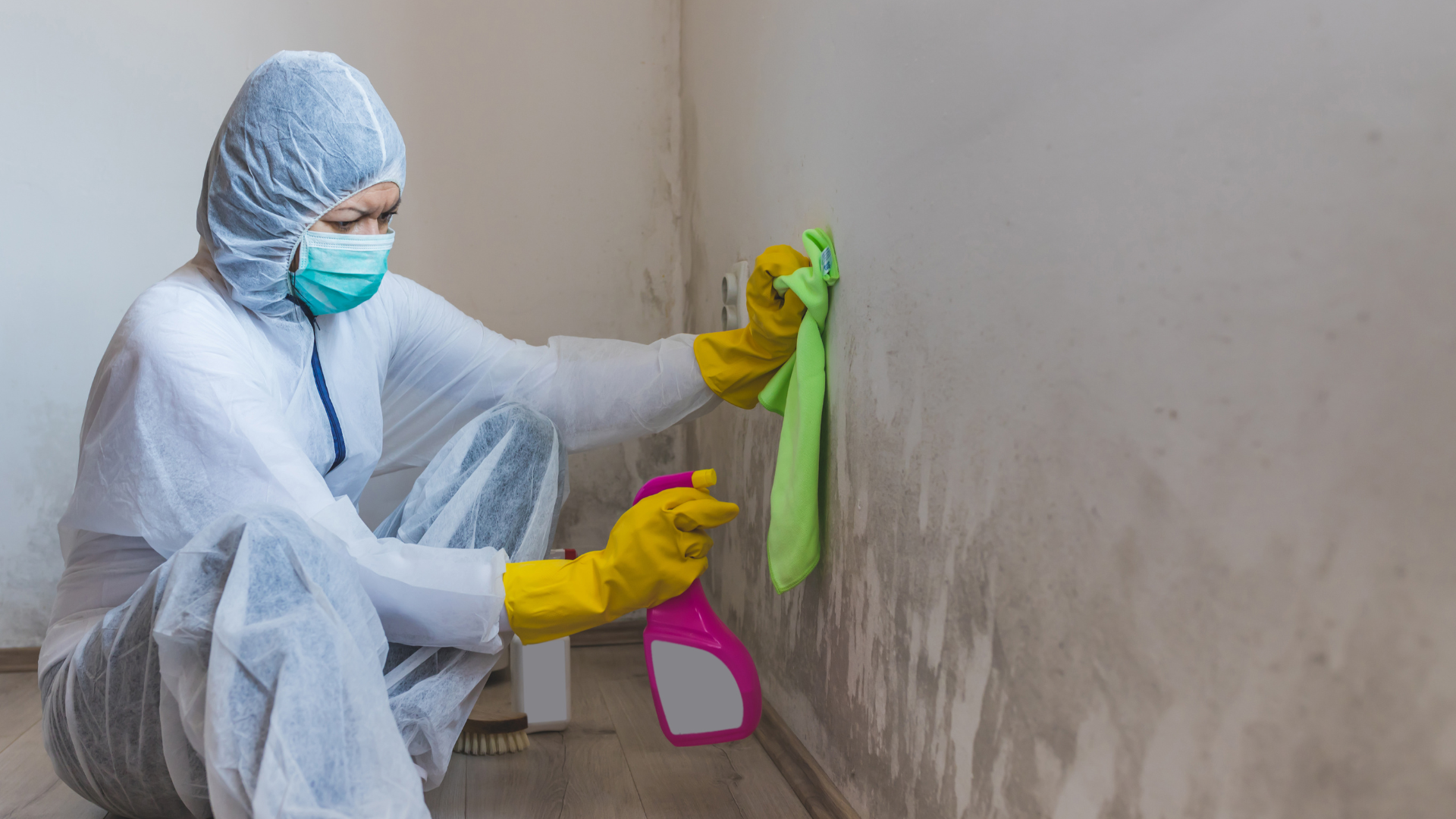
Good mold remediation is not just cleaning. It is a process that identifies the source, controls the work area, removes affected materials when needed, and helps reduce the chance of the problem returning.
Find and correct the moisture source first
The first step is figuring out why the area is damp. That may involve checking for leaks, humidity problems, drainage concerns, HVAC issues, or past water damage.
If the source is not corrected, mold can return even after careful cleanup. Moisture control is the difference between a short-term cosmetic fix and a lasting solution.
Remove affected materials safely
Some materials can be cleaned. Others may need to be removed.
The decision depends on the material, the extent of growth, and how long moisture has been present. Removing contaminated material without spreading particles is one reason professional remediation matters.
Dry the area completely
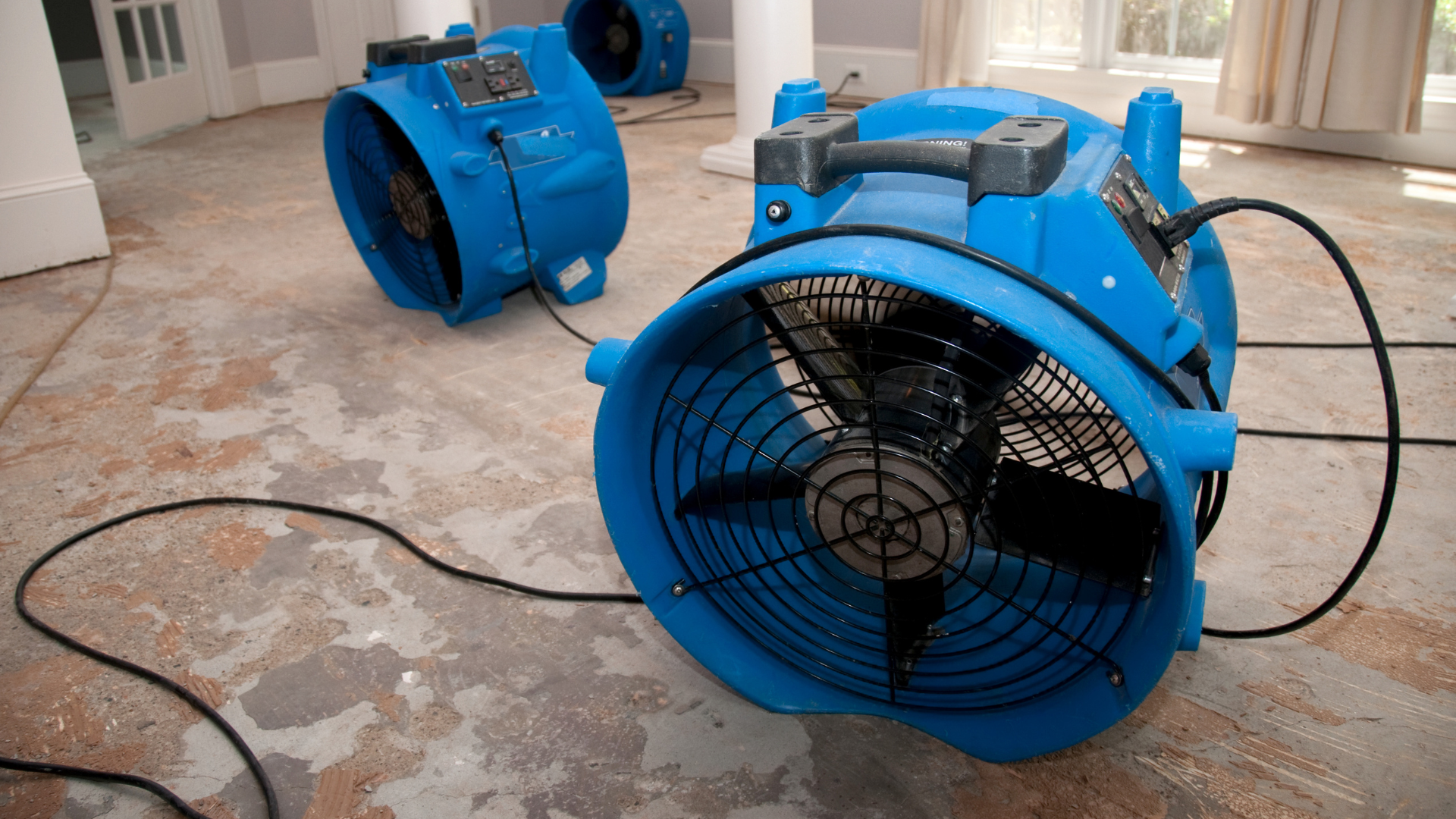
Drying is not optional. The area must be brought back to a normal moisture level before repairs are made.
Covering damp framing, drywall, or flooring with new materials can trap moisture. That can restart the mold cycle and lead to another cleanup later.
Prevent future growth where possible
Once the affected area is cleaned and dried, prevention becomes the priority. That may mean improving ventilation, repairing drainage, maintaining HVAC systems, or monitoring humidity levels.
For larger properties or repeat building concerns, facility maintenance in Houston can support better long-term moisture control and property protection.
When Should Homeowners Call a Mold Remediation Professional?
You should call a professional when mold keeps returning, covers a larger area, smells musty, follows water damage, or appears near HVAC components. You should also get help if mold is behind walls, under flooring, or in areas that require material removal.
Recurring mold is a sign the problem is bigger than cleaning
If mold comes back after you already cleaned it, the issue is not finished. Repeating the same cleanup usually leads to the same result.
A professional can look beyond the visible stain and focus on the cause. That is especially important when moisture issues are hidden.
Older homes may have more than one concern
Some Houston homes have older building materials, past water damage, or layers of previous repairs. If walls, flooring, or ceilings need to be disturbed, it may be worth considering whether other hazards are present.
For older properties, lead hazard control in Houston may be relevant when renovation or removal work overlaps with painted surfaces or aging materials.
Why Recurring Mold Matters in Houston Homes
Houston’s heat, humidity, storm activity, and heavy air conditioning use create conditions where moisture problems can develop quickly. A small leak, poor ventilation, or damp building material can turn into recurring mold if it is not handled properly. Homeowners in Houston should treat returning mold as a building moisture issue, not just a cleaning task.
Learn More from White Glove Environmental
White Glove Environmental helps homeowners understand what is causing recurring mold and what steps may be needed to address it properly. To learn more about mold removal and remediation in Houston, call 414-760-1733.
Frequently Asked Questions
Why does mold come back after I clean it?
Mold usually comes back because the moisture source was not fixed. Cleaning removes what you can see, but damp drywall, leaks, humidity, or condensation can keep feeding new growth.
Is recurring mold dangerous?
Recurring mold should be taken seriously because it can point to ongoing moisture and indoor air concerns. The level of risk depends on the amount of mold, the location, and who is living in the home.
Can I paint over mold after cleaning it?
Painting over mold is not a real fix. If the material is still damp or contaminated, mold can grow under or through the paint and return later.
What is the most common cause of mold remediation failure?
The most common cause is missed moisture. If leaks, humidity, condensation, or wet materials are not corrected, mold can return after cleanup.
When should I schedule professional mold remediation?
Schedule professional help when mold returns, spreads, smells musty, or appears after water damage. You should also call if mold may be behind walls, under floors, or near HVAC systems.
Recurring mold is not something to ignore or keep covering up. If the same spots keep returning, the home is telling you there is still a moisture problem. White Glove Environmental can help you learn more about the cause and the right next steps for mold removal and remediation.